
If you own a home in Little Rock, the weather already shapes how you live. Storm seasons affect when you remodel, the supplies’ durability, and how safe your space feels.
Recently, these weather risks have grown harder to ignore. You might notice these changes during repairs, insurance decisions, and frequent storm disruptions. Renovation is no longer just about style or comfort. It now directly influences safety, durability, and long-term peace of mind.
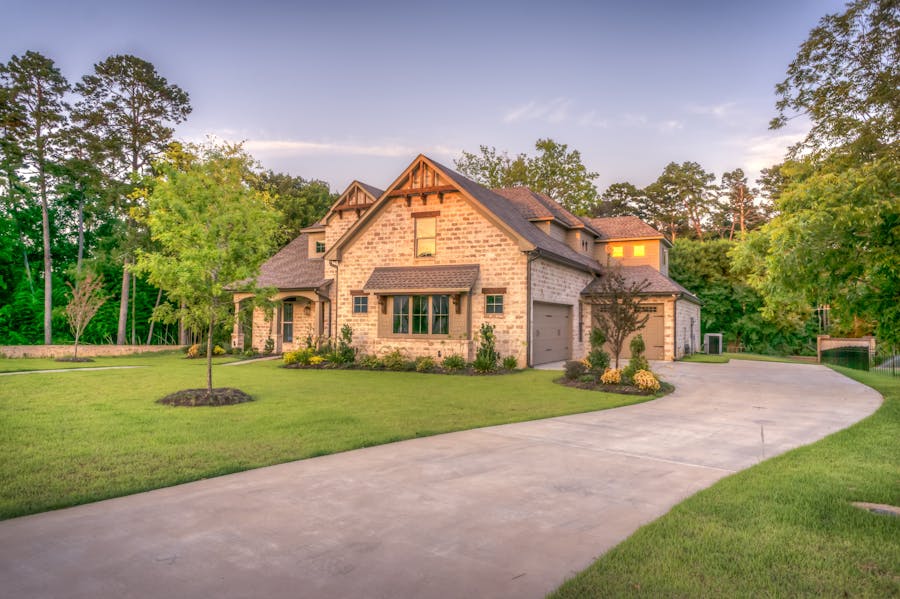
Weather-smart enhancements help your home handle stronger storms while staying livable year-round. This guide breaks down what matters most when you plan upgrades in Little Rock. It focuses on practical choices that protect your home as conditions continue to change.
Understanding the new scale of Arkansas weather is the first step toward a safer home.
Why Weather-Smart Remodeling Matters More in Little Rock Today
You aren’t imagining the change. Weather patterns in Arkansas have shifted in ways that homeowners now feel firsthand. Storm seasons start earlier, last longer, and bring stronger systems into residential areas.
The Arkansas Advocate reports that in 2025, Arkansas received over 140 tornado warnings across 30 days, nearly four times the number that Texas received. Meteorologists link this rise to shifting storm tracks. Warmer Gulf waters and jet stream changes now support stronger tornado development across the state.
As storms grow more intense, remodeling decisions carry more weight. Renovation projects often expose structural areas like roofs, walls, and foundations. These areas face the greatest stress. When contractors are negligent during these upgrades, safety gaps can appear quickly.
Injuries or unsafe conditions can complicate recovery. In these moments, you might consult a personal injury lawyer in Little Rock to protect your family’s interests. Clear guidance helps you manage the aftermath without added confusion.
Keith Law Group notes that a personal injury lawyer can help people understand their rights and seek fair compensation. This awareness can influence how you schedule repairs, select contractors, and oversee renovation work.
Weather-smart remodeling reduces damage, lowers injury risks, and limits rushed repairs after future storms. Understanding these risks shifts the focus from awareness to action. This is where smart renovation planning begins.
Structural Enhancements That Actually Improve Tornado Resilience
Not all upgrades offer real protection. Paint, trim, and fixtures do little during high winds. What matters most is how well your home stays connected when pressure builds. Research from the National Institute of Standards and Technology led to new tornado-focused rules.
The rules appear in ASCE 7-22, the national wind load standard. These updates were later adopted into the 2024 International Building Code. The standards address roof uplift and multi-directional wind forces that often cause early structural failure during tornadoes.
This research matters because the same weak points exist in many older homes. You can address them during renovations. Reinforced roof-to-wall ties help keep the roof anchored. Continuous load paths guide wind pressure safely into the foundation. These changes lower the risk of sudden structural collapse.
Yale Climate Connections explains that over 95% of tornadoes cause EF2-level damage or less. Simple upgrades, like metal clips and anchors, can protect homes during these storms. These improvements cost about $1.50 to $2 per square foot when added during renovations, making them practical for many homeowners.
The best time to add these upgrades is during planned renovations. Retrofitting later costs more and disrupts your home longer.
Remodeling Choices That Reduce Injury Risk During Storms and Repairs
Most tornado injuries come from flying debris, not collapsing walls. That reality makes interior layout and material choices especially important during remodels. The Weather Channel explains that you can’t fully tornado-proof a home. However, you can strengthen weak points by using permanent window shutters, impact-resistant windows, and sturdier exterior doors.
Adding extra hinges and deadbolt locks helps doors stay closed under pressure. Reinforced concrete and anchor bolts improve the connection between the roof, walls, and foundation.
Impact-rated doors and windows also matter. These materials resist breakage when struck by debris. Even if the glass cracks, it usually stays in place. That reduces sharp fragments inside your home. Once exterior openings are addressed, the garage becomes the next priority.
House Beautiful reveals that garage doors often fail first during high winds, allowing pressure to build inside the home. Wind-rated garage doors, roof straps, and reinforced gable ends added during remodels help prevent roof lift and reduce widespread structural damage.
During repairs, safer layouts are also important. Wide stairways, stable railings, and slip-resistant floors lower injury risks during post-storm work.
Rebuilding and Remodeling With Community Lessons in Mind
Recent rebuilding efforts across Arkansas offer useful lessons. Arkansas Online reports that the March 2023 EF3 tornado caused nearly 110 million dollars in damage to city infrastructure. Over 50 people were injured in Little Rock as the storm tracked through multiple neighborhoods.
Entire blocks suffered as homes were destroyed, roofs were torn away, and trees were uprooted. Since then, officials have issued nearly 2,300 building permits to help restore homes lost in the disaster. Local leaders then focused on better infrastructure and affordable housing in these affected areas.
Other efforts included planting 20,000 trees to replace those destroyed by the high winds. City officials described rebuilding as both a recovery effort and a chance to apply stronger construction practices.
Such rebuilds demonstrate that resilient homes recover faster. They also suffer fewer repeat damages. You save money and stress when repairs last through future storms. When you remodel, think beyond the next season. Choose materials rated for high winds.
Ask contractors about local wind standards. Plan projects that reduce repeated exposure to repairs. Weather-smart enhancements protect more than your structure. They protect your time, safety, and stability.
People Also Ask
1. What weather upgrades add the most value to a home in tornado-prone areas?
Upgrades that add the most value focus on durability and safety. Buyers often look for reinforced roofs, wind-rated garage doors, storm shutters, and improved insulation. These features reduce repair costs, lower insurance concerns, and signal that the home was built or updated with long-term resilience in mind.
2. Are there grants for storm-proofing a residential property in Arkansas?
Yes, the 2026 Strengthen Arkansas Homes Act provides grants for retrofitting homes to wind-resistant standards. Likewise, programs like FORTIFIED grants offer up to 15,000 dollars for roof replacements. Additionally, USDA programs help low-income residents remove safety hazards and improve structural durability.
3. How can I lower my home insurance through storm upgrades?
Arkansas law now requires insurers to offer discounts for homes meeting specific wind-resistant certifications. By installing impact-rated shingles or secondary water barriers, you lower the risk of total loss. These documented safety improvements prove your property is resilient. This proof directly leads to lower monthly premiums.
Weather-smart remodeling is no longer optional in Little Rock. It shapes how safely you live and how well your home holds up. By strengthening structures, reducing injury risks, and learning from recent rebuilding efforts, you make smarter renovation choices.
These upgrades help your home face stronger storms without constant repair cycles. When you plan with weather in mind, you build a home that protects you through change.