
Most Americans try to undertake do-it-yourself (DIY) home projects. While it is a hobby for some, most of them do it to save money. These projects help personalize spaces and address minor issues quickly.
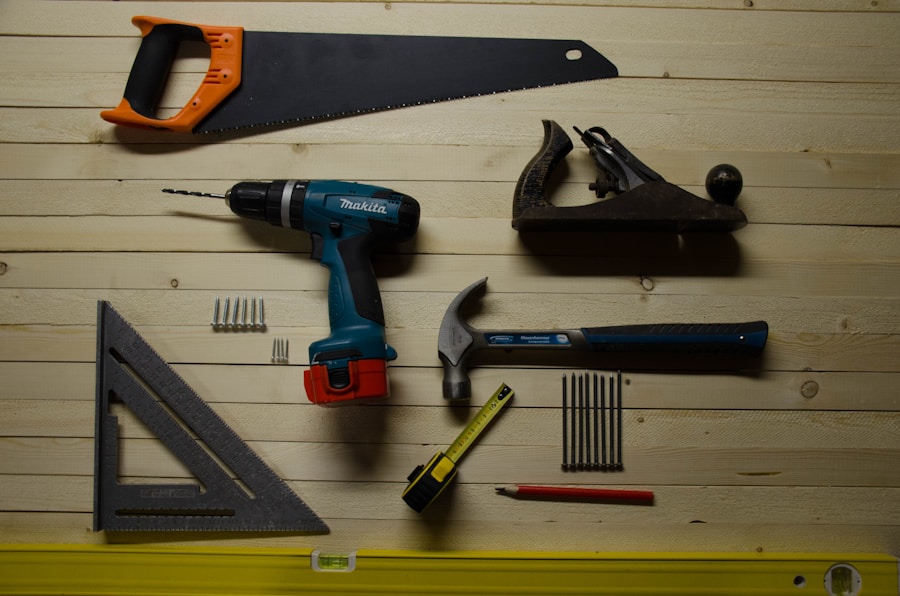
Thanks to that, home centers registered sales of around $328 billion in 2024. Additionally, $200 billion in sales were reported by lumberyards and hardware stores combined. However, 80% of people have admitted to making mistakes during a DIY project. And around 45% have said that they completely butchered it.
Sometimes, these mistakes can create serious safety hazards when handled without proper knowledge or preparation. Mistakes made during these projects can result in unsafe property conditions that affect everyone living in or visiting the home.
Flooring Repairs and Installation Mistakes
The cost of replacing hardwood floors ranges from $6 to $25 per square foot, including labor. So, the final bill can depend on the size of your floor, installation method, and the type of flooring you choose.
For instance, vinyl plank flooring can cost between $250 and $4,600 per room, depending on factors such as installation. The average cost of vinyl plank flooring is $2,400. There are different types of vinyl as well, such as luxury, sheet, and rigid. As for the installation type, it can be peel-and-stick, interlocking, or glue-down. Because of the high costs, it may be tempting for homeowners to undertake flooring repairs as a DIY project.
However, DIY flooring repairs and installations without the right expertise can pose safety concerns. Uneven tile installation, loose floorboards, or poorly secured carpeting can create tripping hazards throughout your home.
Adhesives used incorrectly may weaken over time, causing sections of flooring to lift or shift unexpectedly. These issues are especially problematic in older homes or rental properties with underlying structural wear.
How can incorrect subfloor preparation affect long-term flooring safety?
Subfloor preparation plays a major role in ensuring the flooring remains stable over time. If the subfloor is uneven, damp, or damaged before new flooring is installed, the surface above may crack, separate, or sink gradually. These issues often develop slowly, making them harder to notice until they interfere with normal movement or cause discomfort while walking.
Plumbing Fixes That Lead to Structural Damage
Many would think plumbing repairs are among the easiest DIY projects to tackle. And it can be true with the right tools and expertise. But faulty plumbing can lead to long-term safety issues beyond visible leaks. These risks can linger and make the space unsafe to live in, for you and for your tenants if you decide to rent it.
Consider the case of Atlanta tenants who claim unsafe living conditions but are wrongly labeled as squatters under Georgia’s squatting laws. The house they live in is filled with mold and severe water damage, including collapsing ceilings. If such hazards result in injuries or medical conditions, tenants can hire Atlanta personal injury attorneys and seek compensation.
According to the Atlanta Personal Injury Law Firm, lawyers can help them assess the cost of damage and negotiate with the insurance company. If things don’t work out, they can also represent tenants in trials.
There are many DIY mistakes that can cause this. For example, poorly sealed connections may allow water to seep into walls or floors, weakening structural components over time. Moisture buildup can cause surfaces to soften or collapse, turning a simple repair into a serious hazard. In homes with multiple occupants, these problems may go unnoticed until someone is injured.
Why do small plumbing mistakes sometimes cause large repair issues later?
Minor plumbing errors can allow water to spread slowly into areas that are not easily visible. Over time, this moisture may weaken wooden supports, drywall, or insulation. Because the damage happens gradually, homeowners may remain unaware until floors soften, walls crack, or odors develop, signaling deeper structural problems.
Electrical Projects That Create Hidden Dangers
Electrical work is another area where DIY mistakes can lead to serious consequences. And there are far too many mistakes you can make during such projects.
Using the voltage tester incorrectly, making connections outside the electrical box, and relying on backstabbing instead of screws are some common mistakes. Besides that, you may also overfill the electrical box, install too many arc-fault circuit interrupters (AFCI), and overload the circuits.
Incorrect wiring, overloaded outlets, or improper fixture installation may not cause immediate problems, but they can increase the risk of shocks or electrical fires. These hazards are often hidden behind walls or ceilings, making them difficult to detect until an incident occurs.
It is important that you don’t take these risks lightly because they may even cause severe injury and death due to electrocution. There are many stories of even professionals getting electrocuted.
For instance, a contractor who was hired to install holiday lights in a home in Wellesley was severely injured because of electrocution. The pole he was using to install the lights came into close proximity to, or was in contact with, a primary utility line. Police reported that the contractor was in sudden cardiac arrest.
Why do electrical issues often go unnoticed until an accident happens?
Electrical systems are largely concealed behind walls, which makes early warning signs easy to miss. Improper connections or mismatched components may function for long periods without visible issues. Over time, heat buildup or wiring strain can reach a breaking point, leading to sudden failures that pose safety risks to occupants.
Choosing the Right Approach for Home Projects
There’s no denying that the repair costs have skyrocketed in the US. In fact, some homeowners are delaying maintenance projects until the economy improves. In 2025, 71% of homeowners delayed renovations due to economic uncertainty. However, some of them also feel that delaying home maintenance has made their property less safe.
Thus, the unsafe conditions at your home may arise if you do DIY projects improperly, or if you delay maintenance or renovations. Therefore, it is important to assess which tasks you can undertake and which ones are best left to the professionals.
Not every home project is suitable for a DIY approach. Tasks involving structural changes, electrical systems, or major plumbing work often require professional expertise. Careful planning, proper tools, and adherence to safety standards play a major role in keeping home improvement projects from becoming sources of harm.
DIY home projects can improve comfort and functionality when done correctly, but mistakes can quickly turn them into safety hazards. Flooring issues, unstable staircases, electrical errors, and plumbing problems are common examples of how improper work leads to unsafe living conditions.
Paying attention to project limits and prioritizing safety helps protect everyone in the home. When injuries result from unsafe property conditions, addressing both health concerns and next steps is important for moving forward.