
There’s something about older homes that people never want to lose. The weight of the brick, the little quirks in the window lines, even the way the roof sits slightly differently from the newer houses on the street. But charm doesn’t hide the fact that the outside ages. Renders patch, bricks bleach in the sun, and after a few decades most façades drift into a look that feels “tired,” even if the building is completely solid underneath.
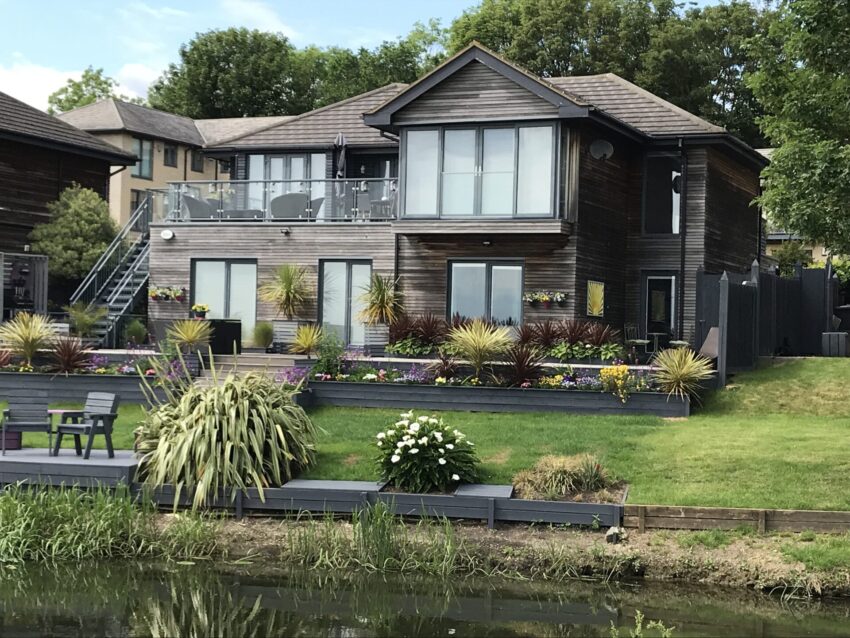
That’s usually where timber cladding enters the conversation—not as a structural change, but as an exterior reset. It’s one of the few upgrades that can shift the entire mood of a house without taking anything important away.
A Practical Solution for Older Exteriors
Renovation sounds dramatic, but fitting timber boards is usually the opposite. Installers often work straight over what’s already there: no ripping off walls, no turning the garden into a building site. Homeowners are surprised at how quickly the visual change happens. By the time the first few rows go up, the house already looks noticeably different, almost like someone has adjusted the contrast on a photograph.
Older properties benefit even more because timber hides the inconsistencies that naturally build up over time—extensions added in different decades, bits of brickwork repaired after storms, or an old render that just never looked quite right again.
Why Thermally Modified Timber Makes Sense
One of the bigger worries with cladding older homes is longevity. People don’t want a facelift that needs constant attention. This is where ThermoWood Cladding tends to stand out. The heat-treatment process takes away much of the timber’s natural moisture movement, so it doesn’t twist or swell the way untreated wood can.
On an older façade—where the wall behind may already be uneven or patched—having a stable board makes a bigger difference than most people realise. The lines stay straight, the gaps stay consistent, and the whole installation keeps that “newly fitted” look for far longer.
Blending the Old With Something New
A lot of homeowners worry that cladding will erase the character of the original house. Oddly, the opposite often happens. Timber has a softening effect; it blends age with something natural and contemporary. It’s not unusual for a plain 1960s bungalow to suddenly feel Scandinavian after cladding, or for a Victorian cottage to look sharper while still unmistakably itself.
Traditional profiles help when the aim is to keep some of the original feel. Loglap Cladding, for example, suits older or rural homes because of its rounded, overlapping shape. It’s familiar, but still clean.
Installation Without the Drama
The biggest advantage, especially for families living in the property, is the lack of disruption. Timber cladding is installed from the outside, and apart from a bit of noise, most homeowners barely need to adjust their routine. There’s no moving furniture, no covering floors, no weeks of dust drifting through the house.
And if insulation is needed, this is often the easiest moment to add it. A ventilated cavity behind the cladding can massively improve heat retention without stealing a centimetre from the interior rooms.
A Refresh That Helps With Resale
Estate agents will mention this straight away: first impressions sell houses. Older homes with refreshed exteriors tend to attract more viewings, because buyers want the blend of character and low maintenance. Timber makes a property look intentional—designed, rather than just lived in for decades.
It doesn’t promise miracles, but it usually shifts the perceived value of the home upward because the entire exterior reads as “looked after.”
A Modern Touch Without Losing Identity
Timber cladding is one of those rare upgrades that doesn’t fight the building. It adapts. Whether someone wants a minimal, contemporary look or something that still feels traditional, the material allows for both. ThermoWood brings the durability; profiles and layout bring personality.
For homeowners wanting to modernise an older property without gutting it, timber cladding often becomes the most sensible—and surprisingly transformative—choice on the table.