
Sometimes, a room just feels flat. The layout might be fine, the furniture functional, and the color palette “just okay,” but you can feel when something’s missing. That’s usually where texture comes in. It’s the magic ingredient that turns your room from feeling “flat” into “wow.” You don’t need a sledgehammer or a weekend renovation to make it happen.
Here’s how to add instant depth and dimension to any room, using the power of textiles.
Why Texture Matters in a Room
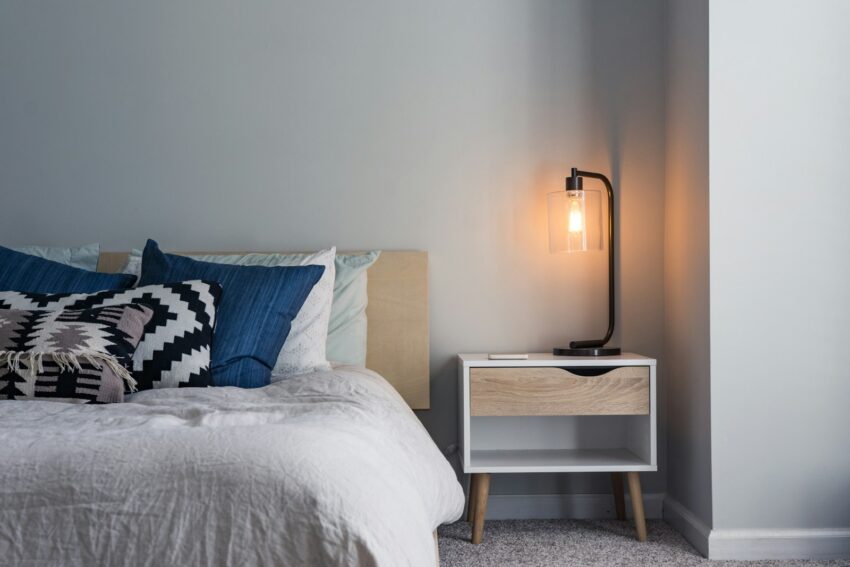
Texture isn’t just about how something feels; it’s about how it looks, too. A chunky knit throw, a velvet pillow, or a crisp cotton duvet cover brings something unique to a space. They create contrast, interest, and most importantly, warmth.
In older homes especially, where architectural quirks can either charm or confuse, adding texture helps soften harsh corners and balance vintage finishes. The right fabric in the right spot can shift a space from outdated to curated.
Start With a Neutral Base
If your walls are already rocking some age-old floral wallpaper or bold paint from a previous decade, great, that’s your character. But if you’re working with a blank canvas, a neutral base, like whites, creams, soft greys gives your textures room to shine.
Neutral doesn’t mean boring. It means flexible. Creamy curtains, linen sofas, and oak floors all make perfect backdrops for some serious textile layering.
The Power of Bedding
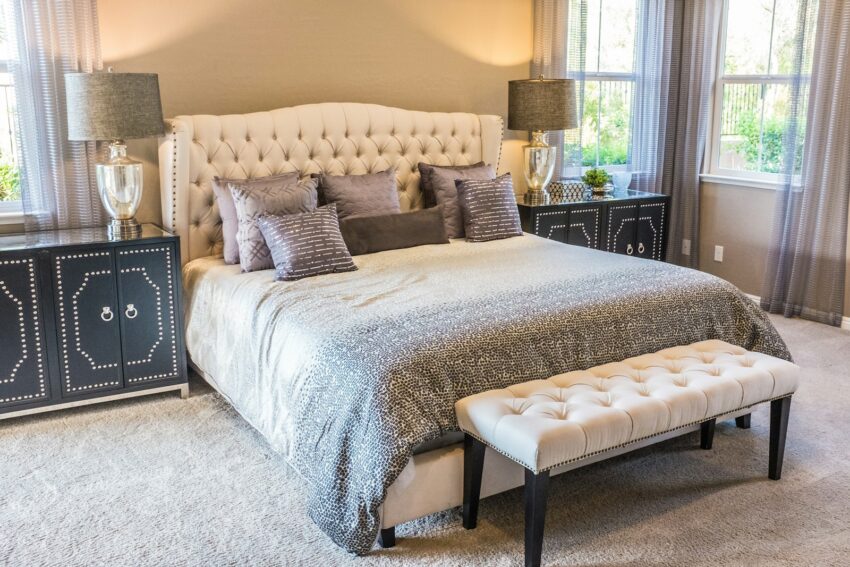
Bedding is the anchor of any bedroom, guest room, or even that flex space that doubles as your office. For this reason, updating your bedding is one of the fastest ways to boost texture and comfort.
Swap out your old bedding for something buttery smooth, like a sateen duvet cover. If you’re looking for the slight sheen, the breathable softness, and that silky “ahh” feeling every time you lie down, visit https://www.dozebedding.com/ for a variety of great options. Their modern sateen duvet covers are cloud-like and luxurious, breathable, and easy to wash.
Layer on the Throws and Pillows
Mixing different throw blankets and pillows adds dimension and personality. You can opt for velvet next to knit, tassels brushing up against quilted cotton, or faux fur layered on top of a linen slipcover.
Here’s a quick formula that always works:
- One structured pillow (think corduroy or embroidered cotton)
- One soft, fluffy option (faux fur or boucle)
- One oversized throw with visible texture (like a chunky knit or waffle weave)
Arrange them casually, or artfully mess them up. Either way, texture wins.
Rugs That Ground and Wow
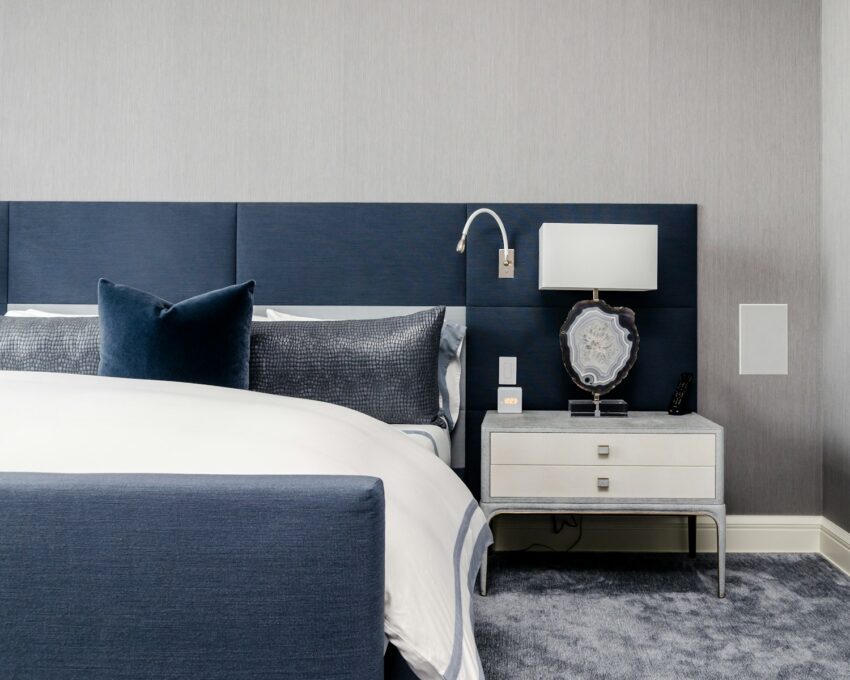
An area rug isn’t just floor cover; it visually grounds a room and adds warmth underfoot, especially if your original floors are chilly or less-than-perfect.
Layering works wonders here, too. Try a large flatweave rug as a base with a smaller, plush rug on top. This is great for reading nooks or awkward corners that need some cozy magic.
Look for rugs with visible patterning or a mix of pile heights. Natural fibers like jute bring in that lovely earthy vibe, while wool or shag rugs scream comfort.
Don’t Forget the Furniture Finish
Textiles extend beyond what’s soft. Upholstered furniture, of course, plays a big role, but don’t overlook furniture finishes. A woven cane cabinet, a distressed wooden stool, or a leather ottoman with some patina all bring depth to a space.
Even mixing metal finishes (matte black, brushed brass, antique copper) on knobs, lamps, or side tables can change the texture story.
Add Textured Accents and Accessories
Texture isn’t only about what you touch, it’s also about what you see. Visual texture matters, especially on your walls and shelves.
Try:
- Woven wall baskets
- Framed textiles or tapestries
- Dried florals in ceramic vases
- Stacked books with fabric bookmarks or ribbon
- Candles in varying shapes and finishes
Use Light to Highlight Texture
Here’s a secret: lighting changes how we perceive texture. A lampshade with subtle linen weave looks totally different with soft yellow light versus bright white. A sculptural sconce can cast interesting shadows on a textured wall.
Play with lighting to emphasize the depth you’ve added. You can use sconces, table lamps, and even string lights.
Seasonal Texture Swaps
One of the perks of decorating with textiles is that you can switch them out. Keep your big investment pieces (like duvet covers and rugs) season-neutral, and rotate accessories with the weather.
In warmer months, swap chunky knits for breezy linen. Also trade darker velvets for cotton throws in sunny hues and your room will always feel current, without you ever picking up a paintbrush.
Small Changes, Big Texture
Not ready for a total bedding refresh or rug upgrade? Try these quick wins:
- Replace curtain panels with something heavier or slubbed
- Add a fabric table runner to your console or dining table
- Drape a scarf or textile across the back of a chair
- Use a woven tray to corral remotes or perfumes
- Restyle your bed with just a new throw and accent pillow
Each little layer makes a difference, and when combined, they tell a richer story of who you are and what you love.
Final Thoughts
Texture is the unsung hero of good design. It doesn’t require bold color, massive change, or a home makeover show budget. It just asks for a few thoughtful swaps, soft here, rough there, fluffy in that one corner, and suddenly, your room feels alive.
So if your home’s feeling flat or unfinished, look to the textiles. Start with your bed, layer in a few throws, mix your materials, and see what unfolds. You’ll love your space, and so will anyone lucky enough to curl up inside it.