
When hard elements clash with soft plants instead of complementing them, your backyard feels awkward and disconnected. Your beautiful patio might end abruptly or your garden that’s bursting with life has no clear path to enjoy it. The problem is, many people end up piling on materials, but they don’t think about blending hardscapes and softscapes to make them truly work together.
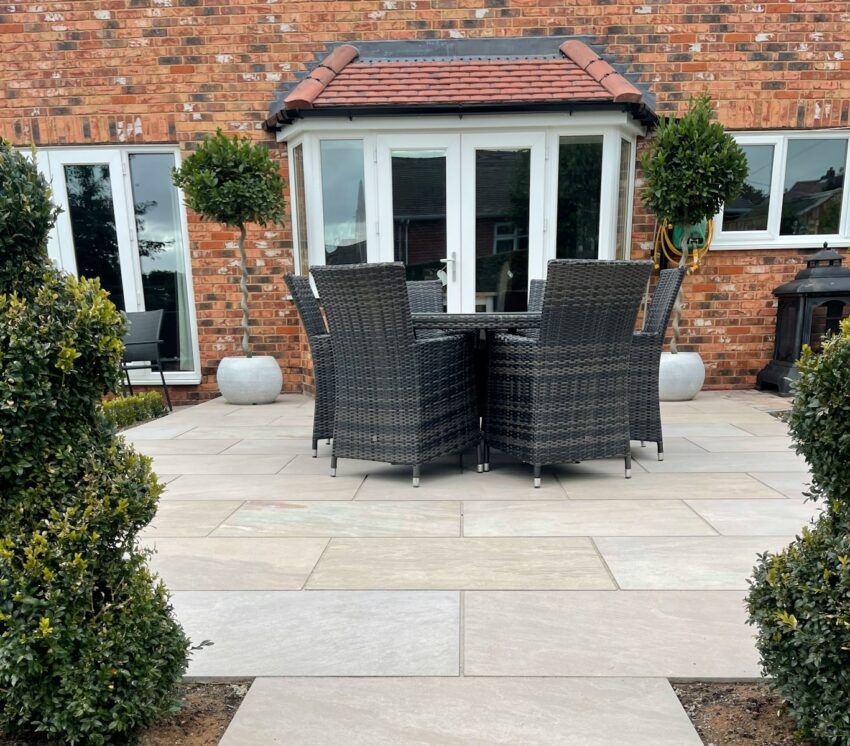
If you design it right, your backyard can be an extension of your home that invites you to stay a while. But if guesswork is all you have at your disposal, you won’t get where you want to be.
Balancing rugged stone and delicate flowers without one overpowering the other takes a bit of strategy and planning.
But. It CAN be done. Let’s go!
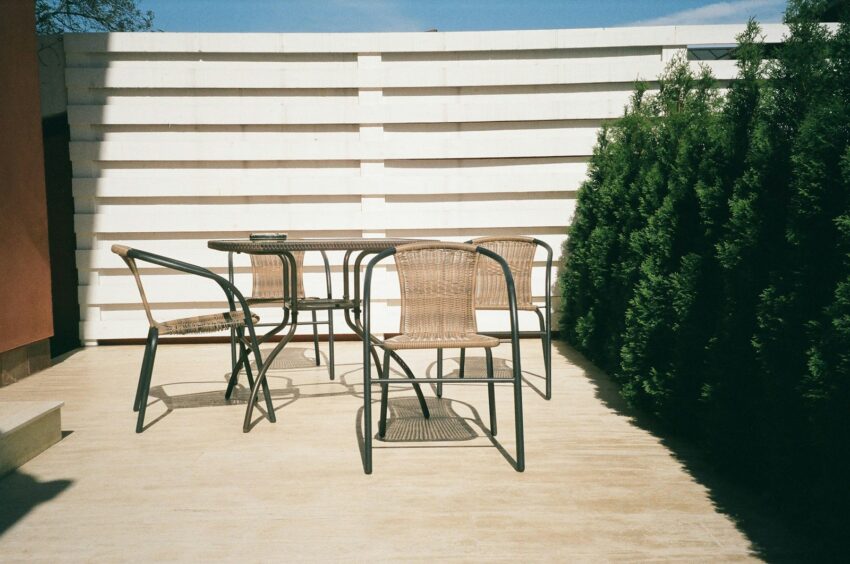
Tips for Balancing Stone, Gravel, and Plants
Randomly placing stone and plants side by side won’t get you the result you want. The trick is to carefully balance the elements so they enhance each other and feel like parts of a whole.
This is how you do it.
A Clear Layout and Flow (Before Everything Else)
Before you do anything, you need to plan where your pathways and the seating area will be. Think about how people will move in the area. Do a tryout yourself and see if what you’re imagining makes sense. If it feels clunky, then rethink your approach.
A good layout means that you can effortlessly move between all the hardscape features and soft garden beds. The layout should basically guide you. So, it’s very important you get it right before you start committing. You can use gentle curves for a relaxed, organic feel or straight lines if you’re going for something more formal.
Also, a good tip is to not make any ‘sudden’ (or last-minute) changes that break the flow; stick to smooth transitions to make the entire space feel connected.
Coordinate Color Palettes
The color of your stones and gravel can make a huge difference in tying everything together. Hop online, search for “gravel delivery near me” to see the colors (and shape) you can choose from. Look for stone shades that either complement the greens and colors of your plants or provide a subtle contrast that makes the plants stand out.
Neutral stones will make vibrant flowers and foliage the focal point, and tinted gravels can add a soft, understated background that makes the whole design come together.
Mix Textures
Having different textures keeps your outdoor space from feeling flat and dull. Pair rough gravel with smooth pavers and balance those with the softness of leafy plants or delicate flowers. This contrast draws the eye and adds depth to your design because it allows different elements to pop while also working together as part of a cohesive whole.
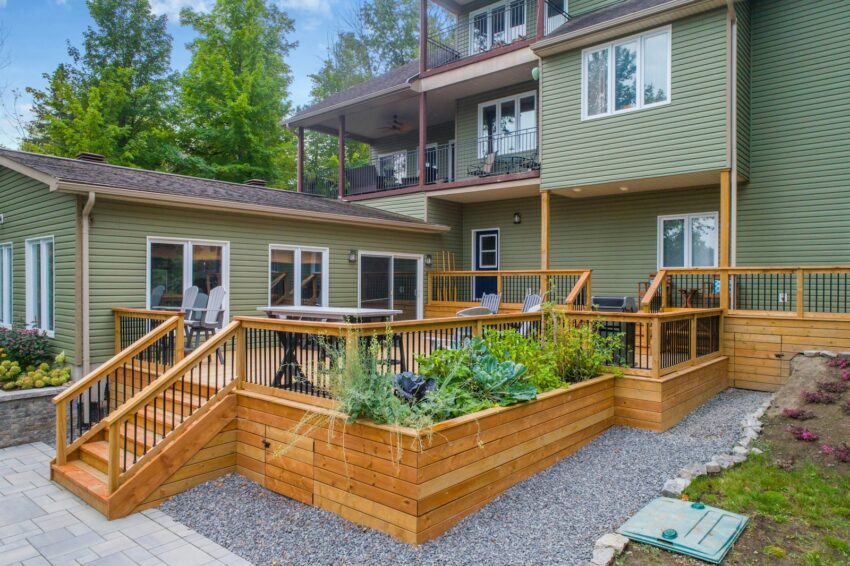
Define Boundaries with Edging or Low Walls
Clear edges will help in separating plant beds from gravel paths (or stone patios). This way, your design stays tidy and intentional. What you can do is use edging materials such as metal strips, brick, or natural stone and use them to create clean/straight lines and add a bit of structure to the space.
Think of these borders as design features that beautifully frame your plants and pathways.
Balance Scale and Proportion
It’s important to make sure your stone features and plants are balanced in size. Huge stones or boulders will overpower small plants, so pair big landscape elements with larger shrubs or clusters of plants.
On the flip side, delicate flowers and small plants work best when they’re next to finer gravel and smaller stone features.
Functional Features
Hardscape and softscape elements look the best when they serve a purpose. You can place features like fire pits, benches, or water elements where stone and plants naturally meet to create inviting spots for relaxing and entertaining. Water features will work especially well in relaxing spots because of the pleasant, calming/soothing sound of water.
Choose materials and plants that complement both the style and function of these areas so they feel integrated instead of like something you randomly slapped on.
Think About Drainage and Maintenance
Gravel helps with drainage near planting beds, but you need proper grading or you’ll deal with water pooling and issues with runoff. Choose plants that thrive in the microclimate created by stone and gravel nearby to reduce maintenance and keep your landscape healthy. If you get quality materials, they’ll support drainage and your landscaping won’t be a hassle.
Use Lighting to Highlight and Connect Elements
Outdoor lighting is the final touch that brings your design together, especially after dark. Use uplighting to highlight interesting plant textures and soft lighting along stone edges or pathways to create warmth and guide movement.
Good lighting will make everything more beautiful but, more importantly, it will make your backyard more safe and usable.
Conclusion
There’s no rulebook on how to blend hardscape and softscape elements, although that would make things a lot easier. But when you get this right (and now you can because you have 8 great tips to use), you’ll get a space where rugged stone meets soft greenery and functionality and beauty go hand in hand. Your backyard won’t feel like the ‘outside’ anymore, but more like an extension of your home.
Stop thinking of hardscapes and softscapes as two separate worlds because they’re supposed to be on the same team.
With just a little bit of planning and a few muddy boots along the way – well, if it’s been raining anyway – you’ll end up with a pristine and cohesive outdoor space that your living room (and neighbours, it’s always the neighbours) will be jealous of.