
I’ve always loved a good project. Give me a weekend, a hardware store run, and a room in need of some TLC, and I’m in my element. There’s something deeply satisfying about standing back, paint-splattered and sore, knowing you brought a space to life with your own two hands.

But enthusiasm doesn’t always equal expertise.
Somewhere between tiling a bathroom and trying to reroute plumbing, I learned that certain projects aren’t just tricky—they’re deal-breakers. Not because I wasn’t willing to work hard, but because no number of YouTube tutorials can replace experience when the stakes (and studs) are real.
That lesson came with a price tag, a headache, and several calls to professionals I should’ve contacted in the first place.
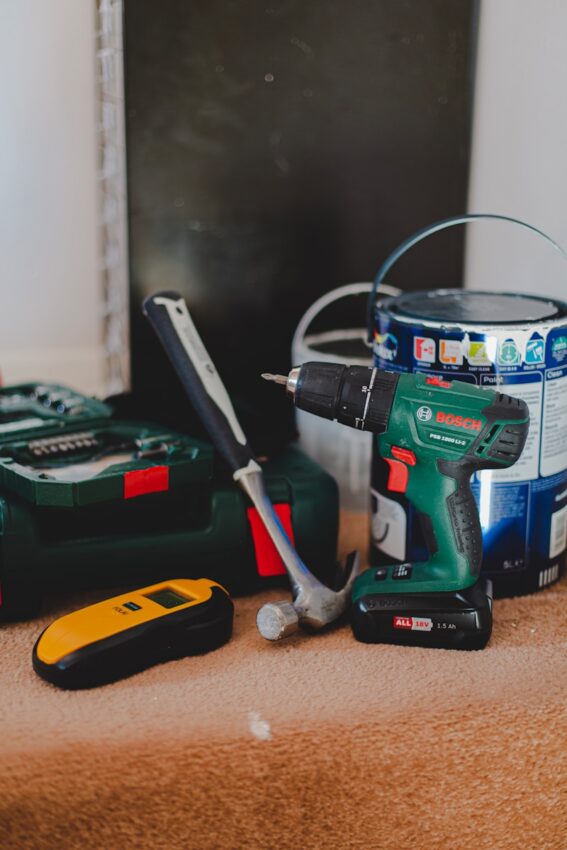
The Joy (and Pitfalls) of DIY
There’s a particular thrill that comes from figuring something out yourself. The first time I patched drywall? Victory. Installing a backsplash without cracking a single tile? Practically genius. DIY has a way of making you feel capable, creative, even invincible—especially when the results turn out better than expected.
But confidence can snowball into overconfidence fast.
What began as a simple bathroom refresh took a sharp turn the moment I decided to “just update the plumbing while I was at it.” It seemed straightforward—until I opened the wall. Behind it was a tangled mess of mismatched fittings and questionable pipework that had clearly seen better decades. I realized I was in over my head when water started pooling in the basement—nowhere near the bathroom I was working on.
It’s one thing to repaint cabinets or switch out hardware. It’s another to tangle with systems that impact the entire home. DIY gives you freedom, but it also comes with blind spots—and sometimes, those blind spots cost more than hiring someone in the first place.

Signs You’re In Over Your Head
It doesn’t always start with disaster. Sometimes it’s a slow build—a project that takes longer than expected, materials that don’t quite match, or instructions that make sense until you’re holding the wrong end of a saw.
But certain signs are hard to ignore.
If you’re holding a stack of permit forms and none of it makes sense, that’s a sign to pause. Anything that touches the bones of your home—structural changes, complex wiring, or plumbing beyond a basic fixture—is more than a weekend task. These are projects that carry real consequences for safety, functionality, and even resale value. The DIY mindset thrives on figuring things out, but there’s a line between determination and unnecessary risk.
Another clue? When you find yourself fixing the fix. If a DIY project starts creating new problems—warped trim, sagging shelves, doors that won’t close—you’re likely working against the grain of what should have been a professional job from the start.
It’s not about skill alone. It’s about recognizing when the margin for error is too slim, and when your home deserves more than improvisation.

From Coast to Cornfield: How Home Building Differs Across the U.S.
Where you live has a lot to do with how—and even if—you should take on a project yourself. In some parts of the country, local regulations, labor markets, and even the soil beneath your house can influence whether DIY is viable or if it’s better to bring in professionals from the start.
Take states like California and New York, where home renovations often mean navigating layers of bureaucracy and some of the highest labor costs in the country. According to HomeAdvisor’s cost data, remodeling expenses in these regions can run nearly double compared to smaller markets in the Midwest. A bathroom remodel might require a structural engineer, a licensed electrician, and enough permits to fill a drawer. On the flip side, Texas and Florida may offer a little more breathing room—fewer regulatory hurdles, more flexible zoning, and a culture that embraces contracting work at scale.
But it’s in the Midwest—in places like Missouri and Kansas—where homeowners often find a rare balance: affordable housing stock, reasonable permitting processes, and a strong network of reputable builders. The region offers the kind of builder-friendly environment that allows for both creativity and structural integrity without breaking the bank.
Kansas City, in particular, stands out for its mix of historic neighborhoods, active development incentives, and a growing demand for thoughtful, high-quality residential construction. Whether you’re renovating an older home or building from the ground up, working with a trusted home builder in Kansas City can provide the professional insight and execution needed to ensure your project adds value, not complications.
The difference between tackling a renovation in San Diego versus Kansas City isn’t just price—it’s the practicality of the process itself. And in cities with experienced pros and accessible standards, going pro doesn’t just make sense. It can make your entire home more livable.
The Pros Know Best: What a Custom Builder Can Offer
There’s a certain reassurance in hiring someone who’s done it all before—someone who’s spotted the hidden issues, planned around the setbacks, and still delivered the finished product on time and within budget. That kind of experience is what a seasoned builder brings to the job.
A custom builder doesn’t just follow instructions—they help shape them. They can spot potential issues before they become expensive repairs, recommend layout changes that make more sense for the space, and pull the right permits without batting an eye. When you’re knee-deep in a project, those things can feel like small miracles.
More importantly, they know the difference between “good enough” and done right. That means stronger foundations, straighter walls, better insulation, and choices that last years down the line—not just until the paint dries.
Hiring a builder isn’t giving up control—it’s choosing collaboration over guesswork. And when your project involves the bones of the house, that tradeoff can mean the difference between living in a space you fixed and living in one that actually works.
Lessons Learned: What I’d Do Differently
Looking back, I don’t regret trying. Learning through doing has taught me more than any how-to video ever could. But I do regret not asking for help sooner. There’s a fine line between being resourceful and being stubborn, and I definitely spent some time on the wrong side of it.
Next time I take on a big project, I’ll be honest about what I can handle and what I can’t. I’ll ask better questions, set a more realistic timeline, and factor in the true cost of mistakes—not just materials, but peace of mind.
And when the scope grows beyond what’s on the surface, I won’t wait for the warning signs. I’ll know it’s time to bring in the people who do this for a living. Because sometimes, the best DIY decision you can make is knowing when not to DIY at all.
Some rooms lend themselves to hands-on fixes, especially when you’re working with simple strategies to refresh your kitchen space that don’t involve tearing down walls or moving pipes. But the moment things get complicated, trusting a professional isn’t a compromise—it’s a smarter way forward.