
In today’s fast-paced world, concentrating on working or studying is difficult at home. Distractions are everywhere, whether you’re operating remotely, learning, or pursuing creative hobbies. Your home’s decor and layout go a long way in shaping your mental clarity and productivity. Thoughtful design choices promote a space that helps foster concentration and minimize distractions.
Creating a Dedicated Work or Creative Zone
Among the most effective ways to enhance one’s focus is to ascribe a special workplace for work or creative efforts. A distinguished place reduces the probability of distraction and allows your brain to connect the space with work. Be it professional assignments or creative writing, it is much easier to focus and create when there is a specific zone for it.
Choose a location with minimal foot traffic and noise. A spare room or a quiet corner might create wonders. Make this special place personal. Personalize this space to make it inspiring yet clutter-free, whether with motivational quotes, well-organized supplies, or even simple plants for natural appeal.
Optimize Furniture and Layout
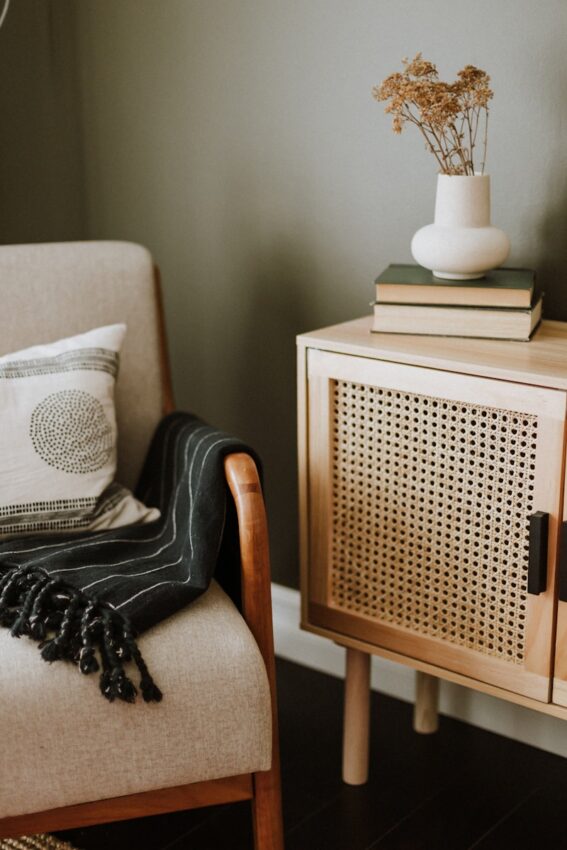
The setup of furniture will play a major role in your ability to concentrate. Start by choosing a comfortable chair and a desk large enough to hold all your work materials. Place your desk facing a wall or a window with a calming view. Do not set up your chair facing or looking directly at a television or an area of the house where there is much activity.
If many people work in the same space, use dividers or bookshelves to separate spaces. This would minimize the amount of visual distraction and help draw the boundaries of spaces between labor and leisure. So, if necessary, consider an investment in ergonomic furniture. That way, it will prevent physical discomfort from coming into the way during sustained sitting.
Lighting Matters: Go for Natural and Adjustable Options
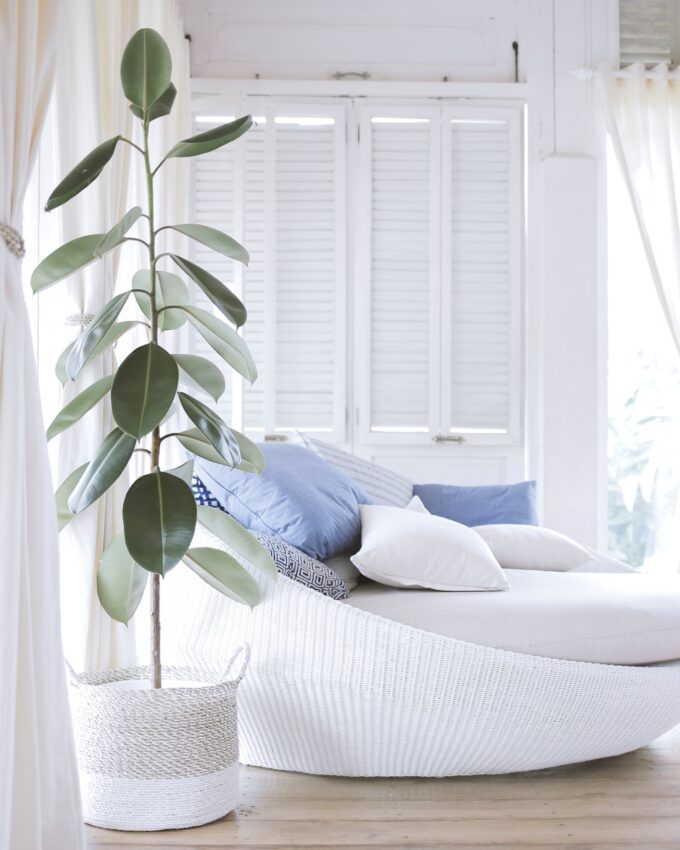
According to the Journal of Research in Health Sciences, the level of lighting impact greatly impacts concentration and mood. Whenever possible, make use of natural light to reduce eye strain and increase energy. Place your workspace near a window to make use of daylight. Use sheer curtains or blinds to control glare while maintaining brightness.
Invest in adjustable lighting tones that are warm and cool for evening hours. A task light with dimming options will let you tailor illumination to your needs, whether reading, typing, or brainstorming. Avoid lights that are extremely harsh in tone since they can create a sterile atmosphere and hurt your eyes.
Declutter to Declutter the Mind
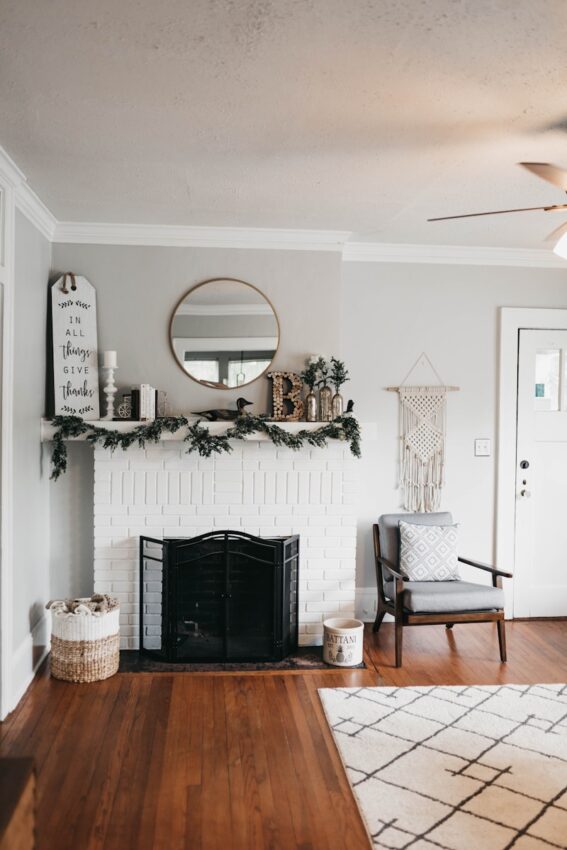
Clutter is a well-known destroyer of mental energy. A clutter-free environment facilitates a sense of orderliness, which is important for staying focused. Use a minimalist approach to interior decorating: have only what is necessary and keep it accessible.
Organize your space with storage solutions like shelves, baskets, or drawers. Label things and keep the same system so that everything has a place. Digital clutter is just as bothersome—take the time to organize files, clean off your desktop, and manage cables neatly.
Technology Placement and Management
Technology is a tool, but it’s also a potential distraction. Place devices, such as your phone or tablet, outside your immediate workspace to reduce temptation. Use productivity apps to block distracting websites or set timers for professional sprints.
Position your monitor at eye level to avoid neck strain and keep your desktop clean and clutter-free. Limit the number of devices on your desk to only those necessary to complete your tasks.
Wrap-Up
Home decor and structure play a significant role in focusing and being productive. You can make your home a no-distraction zone by building zones, managing furniture, having natural light, and controlling the use of devices. The designs should be considerate in maintaining calming colors and avoiding clutter so that the environment is on your side to help you reach your goals. With these strategies in place, your home can be a haven that allows you to get more done with less stress.