
If you reside in an older home, you already understand its charm and character are invaluable.
Finding space to set up a personal training area can be difficult, though, as modern lives strongly emphasize health and wellness.
Although maintaining distinctive architectural characteristics while meeting modern demands may seem impossible, it is entirely feasible with the correct strategy.
Here are some inventive ways to adapt old homes’ interiors into fitness centers without compromising their historic appeal.
Identifying the Right Space
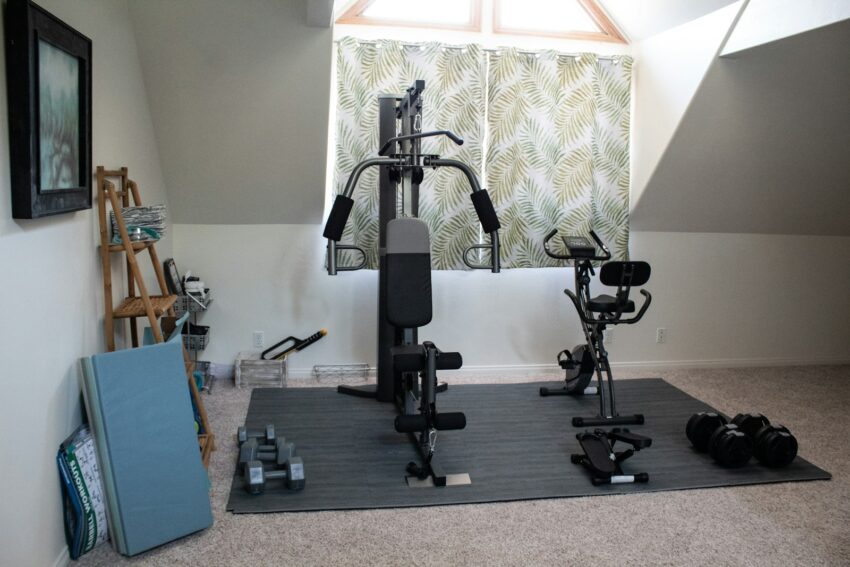
Unconventional floor plans are standard in older homes, which may be advantageous and challenging. Although frequently neglected, spare rooms, attics, and basements might be ideal spaces for a home gym. To create a welcoming ambiance, seek spaces with sufficient natural light and decent ventilation.
Pay attention to equipment that can handle restricted headroom if the area has low ceilings or odd angles, which are typical in attics. These environments are ideal for low-profile equipment like benches, rowers, or mats for yoga and bodyweight activities.
The Power of Versatile Equipment
Stocking your home gym with effective, multipurpose exercise equipment is essential. To keep things clutter-free, choose multipurpose objects.
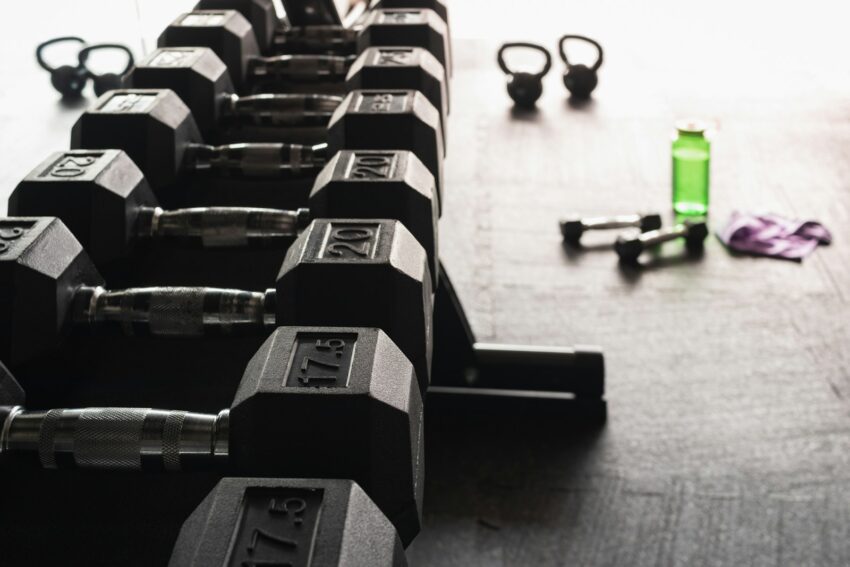
A strong stability ball, for example, may be used as a temporary bench for stretching and core exercises. Despite their small size, kettlebells may be used for various workouts, including squats and swings.
Look through TrueMed fitness partners specializing in durable and adaptable equipment while searching for high-quality workout equipment. Purchasing such products guarantees that your training will continue to be effective without requiring excessive room.
Maintaining Historic Features
An older home’s rich history is one of its most significant advantages, and it may be used as a design element when designing a workout area.
Use historic woodwork, brick walls, and exposed beams as part of the design rather than hiding them. Combining modern and vintage elements may make your exercise space aesthetically pleasing and practical.
Make sure any installations are reversible using non-permanent fittings like modular storage cabinets or free-standing mirrors. In this manner, you may preserve the room’s integrity and safeguard the home’s worth.
Space Optimization
Optimizing space is crucial, particularly in older homes where rooms may be smaller than in newer construction. Think of foldable or compact equipment that can be put away when not in use to make the most of your available space.
Compact weight benches, resistance bands, and adjustable dumbbells are excellent choices that are space-efficient and provide great adaptability.
Blending Functionality and Style
Fitness areas don’t have to resemble gyms; they may complement the general design of your house. Select furnishings and décor that complement the rest of the property.
For example, a vintage rug might serve as a practical non-slip surface for yoga or stretching while adding warmth and character to your exercise space.
Replace old fixtures with energy-efficient, contemporary lighting with a timeless appearance. Adding wall sconces or antique-finished ceiling lighting may assist in maintaining the room’s coherence while supplying enough light for comfort and safety.
Smart Storage Solutions
Keeping your workout area neat and orderly is crucial for motivation. Include storage options that go well with the layout of the space.
Antique cabinets or trunks may be used to store weights and small equipment while enhancing the space’s aesthetics.
Without taking up more floor space, the room may be kept neat using wall-mounted hooks and racks for exercise bands or yoga mats.
Incorporating Technology
Technology has a place, even in old houses. You may watch exercise videos or use fitness applications without detracting from the aesthetics of the space by adding a smart TV or tablet mount.
A portable device stand that can be moved in and out as needed is a better option if installing a TV is not feasible because of preservation concerns.