
Owning an older home usually means paying close attention to the roof. Years of weather, temperature shifts, and everyday wear can slowly take a toll on roofing materials. When replacement time comes, most homeowners start thinking about durability, upkeep, and how well a new roof will protect the house in the years ahead.
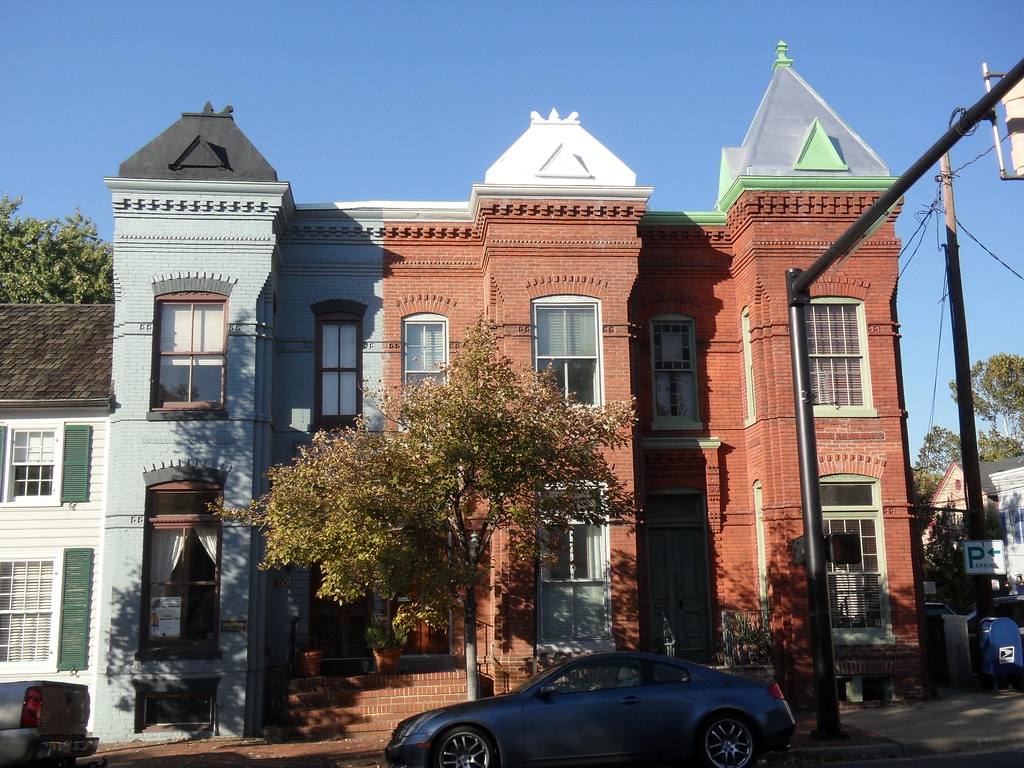
For many people updating an older property, metal roofing has become a practical option. Its strength, long lifespan, and resistance to the elements make it appealing for homeowners who want a roof that can handle changing conditions without adding constant upkeep. For anyone weighing replacement options, it helps to look at how a metal roof can support both the structure and the day-to-day comfort of an older home.
1. Longer Lifespan Than Traditional Roofing
One of the biggest advantages of metal roofing is its long lifespan. Traditional asphalt shingles often need to be replaced after 15 to 30 years, depending on climate, installation quality, and maintenance. A metal roof can last much longer, which makes it appealing for homeowners who want a more lasting solution.
That longer lifespan can be especially helpful for older homes, which often come with a steady list of maintenance priorities. Replacing a roof is a major project, so choosing a material that may not need to be replaced for decades can make long-term planning much easier.
Metal roofing is also built to withstand years of sun, rain, and temperature swings. Many systems resist cracking, shrinking, and surface wear better than more traditional materials. Over time, that durability can mean fewer headaches and less disruption for homeowners trying to preserve an older property.
A longer-lasting roof can also bring peace of mind. When an older home gets a durable upgrade, it adds another layer of protection that supports the house for years to come.
2. Strong Protection Against Harsh Weather
Older homes have often endured decades of exposure to wind, rain, snow, and seasonal temperature changes. A dependable roof matters even more in that context, because once moisture gets in, it can lead to problems that reach far beyond the surface.
Metal roofing is known for standing up well to challenging weather conditions. It creates a secure barrier against rain and helps reduce the risk of leaks when installed correctly. Many metal roofing systems also perform well in strong winds, which is important in areas that deal with storms or seasonal weather shifts.
In colder climates, snow and ice can put extra strain on a roof. Metal surfaces tend to shed snow more easily than some traditional materials, which can help reduce heavy buildup. That can be a real advantage in older homes, where minimizing excess weight and moisture exposure is especially important.
Good weather protection does more than keep the roof in good shape. It helps protect the framing, insulation, ceilings, and interior spaces underneath. For older homes, that extra reliability can make a noticeable difference over time.
3. Energy Efficiency for Older Homes
Many older homes were built before modern insulation standards became common, which can make it harder to keep indoor temperatures consistent. In warm weather, the roof can play a major role in how much heat enters the home.
Metal roofs are often valued for their reflective properties. Instead of absorbing as much solar heat as some other roofing materials, they can reflect part of it away from the home. That can help reduce heat buildup in the attic and make living spaces more comfortable during the hotter months.
Information from the U.S. Department of Energy’s cool roof guidance indicates that reflective roofing materials can lower roof temperatures and reduce cooling demand in some climates. For older homes, this can be especially useful when insulation and ventilation are less efficient than in newer construction.
Even a modest improvement in temperature control can help. When less heat builds up at the top of the house, cooling systems do not have to work as hard, and the home may feel more comfortable throughout the summer.
4. Lower Maintenance Over Time
Older homes already ask for regular care, so many homeowners look for building materials that will not add even more upkeep. Roofing choice can make a real difference here. Asphalt shingles may curl, crack, or lose granules as they age, leading to leaks and recurring repairs.
Metal roofing tends to hold up well against many of the common problems that affect traditional materials. It does not absorb moisture as readily as some other materials, and it generally shows less visible wear in changing weather conditions. That can mean fewer recurring problems and less frequent repair work, which is especially valuable for homeowners already managing the upkeep of an older property.
At the same time, durability also depends on how well the roof is installed, especially on older homes where existing conditions can require a more careful approach. Because proper installation plays such a big role in how a metal roof performs, contractors who work with metal roofing, such as K Graber Construction, are often more familiar with the details that affect durability.
For homeowners maintaining an older property, fewer roofing problems can make long-term upkeep much more manageable. That leaves more room in the budget and schedule for the other repairs and updates older homes often need.
5. A Style That Works for Older and Historic Homes
When replacing a roof on an older home, appearance matters almost as much as performance. Homeowners usually want materials that improve protection without taking away from the character that made them love the house in the first place.
Metal roofing now comes in a wide range of colors, finishes, and profiles, which gives homeowners more flexibility than they might expect. Some styles suit traditional architecture well, while others offer a cleaner look for homes that have been updated over time. That range makes it easier to find an option that fits the home rather than fighting against it.
Looks are only part of the equation, though. Ongoing maintenance still plays a role in keeping any roof in good condition. Keeping up with seasonal maintenance, including roof cleaning at the right time of year, can help extend the life of roofing materials and prevent small issues from becoming bigger ones.
With the right style and regular care, a metal roof can complement the look of an older or historic home while also providing the durability many homeowners want.
Conclusion
Choosing a new roof for an older home is a decision that affects more than curb appeal. It influences how well the home stands up to weather, how much maintenance it may need, and how comfortable it feels through the seasons.
Metal roofing offers several benefits that make it worth serious consideration. Its long lifespan can reduce the need for repeat replacements, its durability helps protect against harsh weather, and its reflective qualities may improve comfort in warmer months. Many homeowners also appreciate the lower maintenance demands and the range of styles available for older homes.
For those looking to protect an aging property without losing its character, a metal roof can be a smart, practical upgrade that supports the home for many years.